Flooring in Hawaii
Reach independent flooring companies that serve Hawaii. Compare quotes and hire only if it fits.
Get quotes from local flooring pros in Hawaii.
Or call (725) 550-4646. Calls may be recorded.
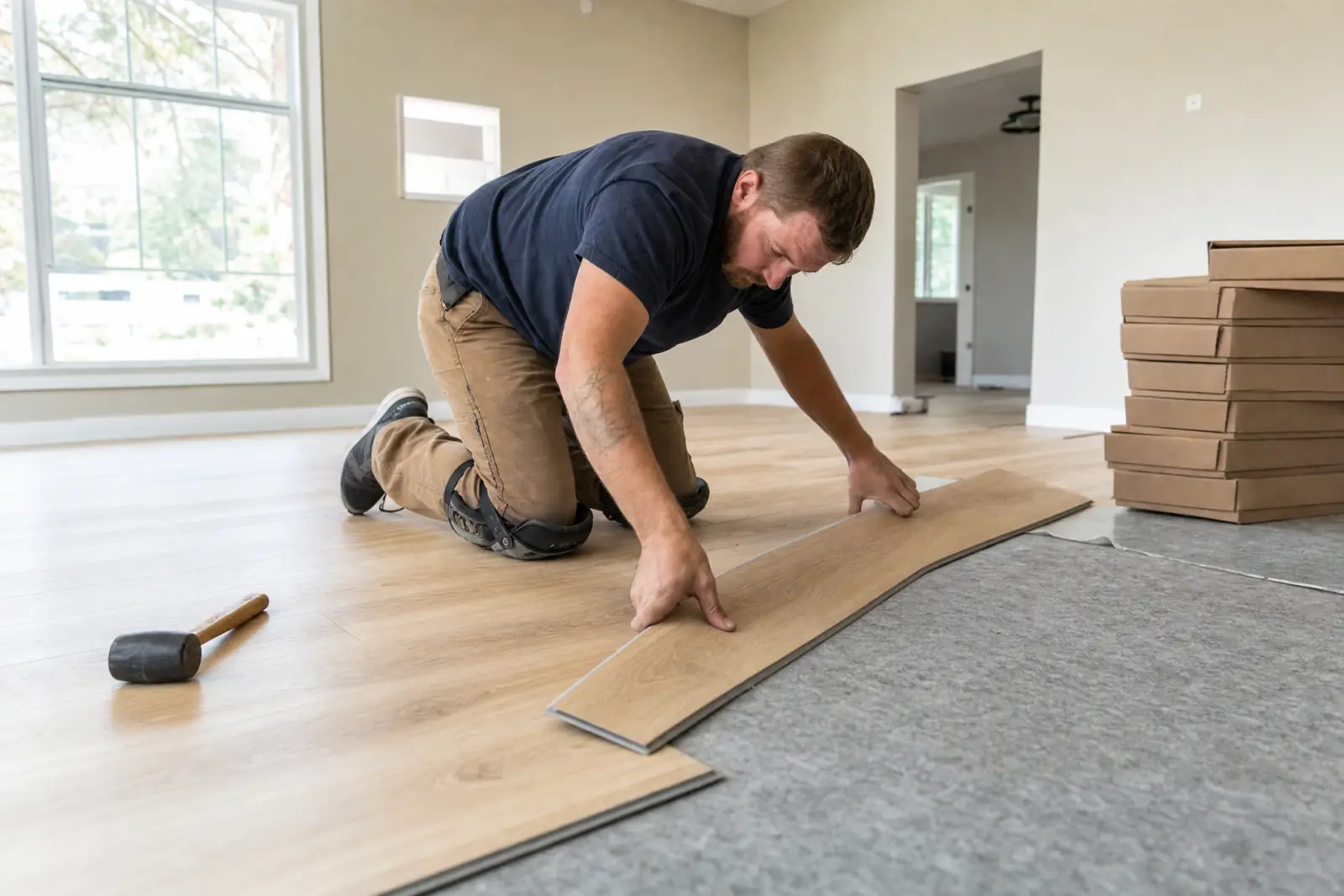
Across Hawaii's roughly 568,000 homes, the median build year is 1980. Every county in Hawaii is in climate zone 1A (very hot, humid). Pick your city below for local housing facts, or read on for what applies statewide to new flooring.
Flooring by city in Hawaii
What Hawaii homeowners should know about flooring
Census estimates put the median build year in Hawaii at 1980; about 22% were built in 2000 or later. In homes of this age, the main prep questions are usually subfloor flatness and moisture in concrete slabs. Ask the installer how both are checked. Federal EPA rules require firms that disturb painted surfaces in homes built before 1978 to follow lead-safe work practices. Ask whether the company is EPA lead-safe certified.
About 100% of Hawaii's counties are in climate zone 1A (very hot, humid), based on the U.S. Department of Energy's county map. Humidity makes wood floors swell and shrink. Ask how long the flooring will acclimate and whether concrete slabs get a moisture test.
About 31% of homes in Hawaii are in buildings with five or more units. Condo buildings often need approval before new floors go in, and some require sound-reducing underlayment.
Permits and contractor licensing in Hawaii
Replacing floor coverings usually does not need a permit, but repairing or replacing the subfloor or joists can. In Hawaii, building permits are issued by cities and counties, so the rules depend on where the home is. Ask the company who pulls the permit, and keep a copy of it.
The Hawaii Contractors License Board licenses contractors. Look the company up with the Contractors License Board (DCCA Professional and Vocational Licensing) before you sign.
Look up a license: Contractors License Board (DCCA Professional and Vocational Licensing)
Questions to ask a flooring company in Hawaii
- Will you check the subfloor for moisture and flatness first?
- How long does the material need to acclimate?
- Are removing the old floor and moving furniture included?
Flooring in Hawaii: questions
Who licenses flooring contractors in Hawaii?
The Hawaii Contractors License Board licenses contractors. Ask for the company's license or registration number and look it up with the Contractors License Board (DCCA Professional and Vocational Licensing).
What climate zones are in Hawaii?
All of Hawaii is in IECC climate zone 1A (very hot, humid), per the U.S. Department of Energy's county map.
How old are homes in Hawaii?
Census estimates (ACS 2020-2024) put the median build year across Hawaii at 1980, with about 51% of homes built before 1980.
Do I need a permit for new flooring in Hawaii?
Replacing floor coverings usually does not need a permit, but repairing or replacing the subfloor or joists can. In Hawaii, permits are issued by cities and counties, so check with the building department where the home is.
How does Swupi work in Hawaii?
Call or send a request with your ZIP code, and Swupi connects you with an independent flooring company that serves your area. You agree on price and timing directly with that company.
Ready for flooring quotes in Hawaii?
Or call (725) 550-4646. Calls may be recorded.
- No fee to SwupiHomeowners never pay Swupi.
- No obligationCompare quotes, hire only if it fits.
- Local companiesIndependent pros who serve your area.
- Call or requestTalk now, or send a short request.

