Roofing service covers roof repair, full replacement, and inspections after storms. A roofer can fix leaks, replace missing or damaged shingles, repair flashing around chimneys and vents, and install a new roof when the old one wears out. Tell Swupi about your roof, and we connect you with independent local roofing companies that serve your area. You compare their quotes, agree on the scope and timing directly with the company you pick, and you are never obligated to hire anyone.
Do you need a roof repair or a full replacement?
A repair usually works when damage is limited to one area and the rest of the roof is in good shape. A replacement makes more sense when problems are spread out or the roof is near the end of its life.
Things a roofer will look at:
- Age: a roof close to the end of its expected life often has more wear than one spot repair can fix.
- How widespread the damage is: a few missing shingles is a repair; curling, cracking, or bare spots across many slopes point to replacement.
- Leaks: one leak at a vent or chimney is often a flashing repair. Leaks in several places suggest the roof itself is failing.
- Decking: soft or sagging areas can mean the boards under the shingles are rotting.
- Layers: if there are already two layers of shingles, local code may require a full tear-off.
- Weather exposure: hail, high wind, heavy snow, and strong sun all shorten roof life.
Signs to call a roofer:
- Missing, cracked, curling, or buckling shingles
- Lots of shingle granules in your gutters
- Water stains on ceilings or in the attic, or daylight through roof boards
- Sagging areas on the roof
- Damaged flashing around chimneys, vents, or skylights
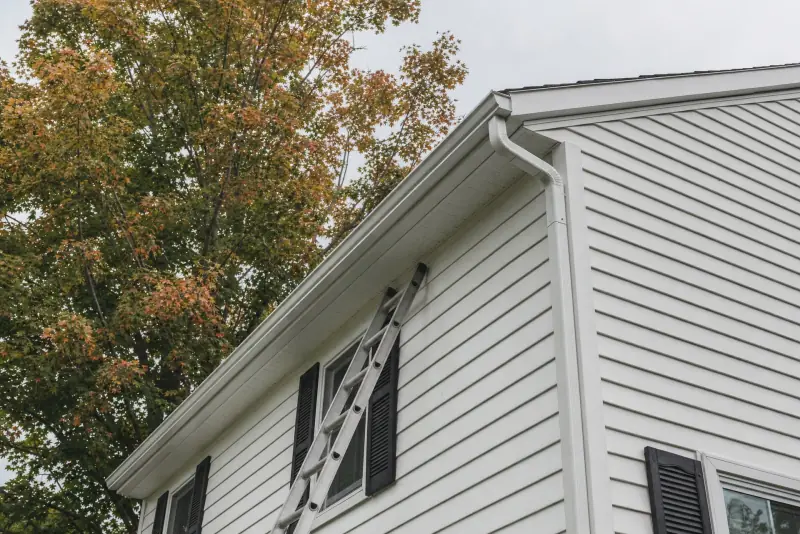
After a major storm, look at the roof from the ground or with binoculars rather than climbing up. If you see damage, photograph it and have a roofer inspect it. If you plan an insurance claim, only your insurer decides coverage; the roofer can document the damage for you to submit.
Which roofing material fits your home?
The right material depends on your climate, the style of your home, how much upkeep you want, and what your roof framing can carry. Ask each roofer how the options hold up in your local weather.
| Material | Typical lifespan | Look | Upkeep and notes |
|---|---|---|---|
| Asphalt shingles | 30 to 35 years | Flat or dimensional shingles in many colors | The most common choice on U.S. homes. Check for missing shingles and granule loss after storms. |
| Metal | 40 to 70 years | Standing-seam panels, or shapes that mimic shingles or tile | Sheds rain and snow well. Have fasteners and seals checked over time. |
| Wood shake | 30 to 50 years | Natural, textured wood look that weathers to gray | Needs regular cleaning and treatment. Some wildfire-prone areas limit its use, so check local code. |
| Clay tile | 50 to 100 years | Curved or flat tiles, common on Spanish and Mediterranean styles | Very heavy, so the roof framing may need to be checked. Tiles can crack if walked on. |
| Slate | Not listed | Natural stone with a classic look | Very heavy and long-lasting. Repairs call for a roofer who works with slate. |
Actual life depends on climate, attic ventilation, installation, and storm exposure. If you are switching to a heavier material, ask whether the roof structure needs to be checked first.
How do you choose a roofing contractor?
Licensing rules for roofers differ by state. Some states license roofing contractors directly, some cover them under a general contractor license, and some leave it to cities or counties. Check with your state contractor board, and your city or county if the state does not license roofers.
Steps the Federal Trade Commission recommends in its home improvement guide:
- Get several written estimates that list the materials, the work, and the completion date.
- Ask for proof of insurance.
- Get a contract with the company's name, address, phone, and license number, and every promise in writing.
Be careful with door-to-door roofers after storms. The FTC warns about contractors who show up saying they are "in the area," push for a same-day decision, or offer to use materials left over from another job.
Ask each roofer:
- Will you remove the old roof or install over it?
- How will you handle rotted decking you find, and how will you tell me before replacing it?
- Whose warranty covers the shingles, and whose covers the labor? Get both in writing.
- Who pulls the permit and schedules the final inspection?
- How will you protect my yard, plants, and driveway during the work?
Swupi connects you with independent local roofing companies. You compare quotes and choose on your own. Learn how Swupi works.
What happens during a roof replacement?
A roof replacement follows a set order. Your roofer's process may differ a little.
- Inspection and quote: the roofer measures the roof, checks the attic for leaks and ventilation, and gives a written quote.
- Permit and materials: the roofer usually pulls the permit and schedules delivery. Ask where materials and the dumpster will go.
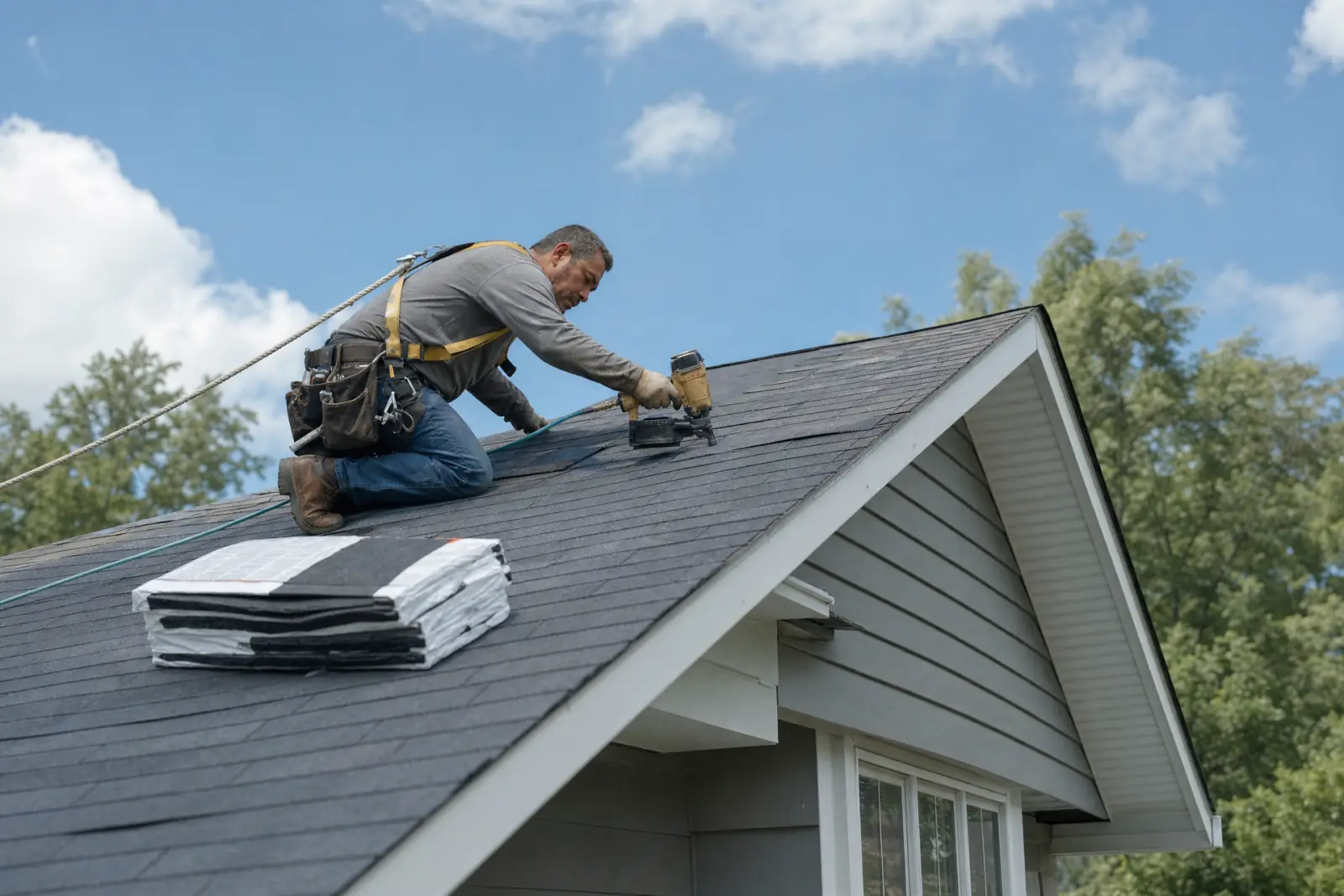
- Tear-off: old shingles and underlayment come off. Expect noise and debris.
- Decking check: soft or rotted roof boards are replaced. Agree in advance on how the roofer will show you any decking that needs work.
- New roof: underlayment, flashing, vents, and the new roofing go on.
- Cleanup and inspection: the site is cleaned, often with a magnet sweep for nails, and the local inspector may sign off.
Many asphalt roofs on average homes take one to three days, weather permitting. Larger roofs and metal or tile take longer.
Before work starts, move cars out of the driveway, take fragile items off walls, and cover things stored in the attic. Keep children and pets away from the work area while the crew is on the roof.
What should you expect after you request roofing quotes?
Once you share your project with Swupi, here is what usually happens:
- A company contacts you: an independent local roofing company that serves your area reaches out to learn more about the job.
- Inspection: the roofer looks at the roof and attic in person. Ask them to show you photos of any damage they find.
- Written quote: you get a written quote that describes the work, materials, and timeline.
- Compare and decide: read each quote side by side, ask questions, and take your time. You are never obligated to hire anyone.
- Schedule: if you hire a roofer, you agree on the scope and start date directly with the company.
Have a few details ready when a roofer calls: the roof's approximate age, any leaks you have noticed, and photos of damage taken from the ground.
How can you make your roof last longer?
A roof lasts longest when water drains off it fast and air moves under it.
- Keep gutters clear: clogged gutters let water back up under the roof edge. See our gutter guide for signs and care.
- Trim branches: keep limbs away from the roof to limit scraping, leaf buildup, and storm damage.
- Check after storms: look for missing shingles or loose flashing from the ground.
- Look in the attic: once or twice a year, check for water stains, damp insulation, or daylight.
- Watch ventilation: a hot, stuffy attic or ice dams in winter can point to poor ventilation or insulation.
- Fix small problems early: a cracked vent boot or a few missing shingles is a small repair. Left alone, it can lead to rotted decking and ceiling damage.
Keep your roof paperwork together: the contract, permit, and both the manufacturer and labor warranties. Some warranties require the roof to be registered or inspected, so read the terms. If you plan to sell, buyers and inspectors often ask for the roof's age and records.
If moisture reaches the inside of the house, it can affect ceilings, walls, and floors, so act early.
Roofing questions, answered
How long does a new roof last?
This Old House lists 30 to 35 years for asphalt shingles, 30 to 50 for wood shake, 40 to 70 for metal, and 50 to 100 for clay tile. Real life depends on climate, attic ventilation, installation, and storm exposure. Regular checks help you catch problems early.
How long does a roof replacement take?
Many asphalt roofs on average-size homes take one to three days, weather permitting. Large roofs, steep pitches, tile, or metal take longer, and rotted decking adds time. Ask your roofer for a timeline in the written quote, and plan for rain delays.
What are the signs of roof damage after a storm?
From the ground, look for missing or lifted shingles, dents in metal vents or gutters, loose flashing, and piles of granules near downspouts. Inside, check ceilings and the attic for new stains or damp spots. Take photos, stay off the roof, and have a roofer inspect it.
Do I need a permit for a new roof?
Many cities and counties require a permit for a roof replacement, and some also require one for larger repairs. Rules vary by location. Ask each roofer who pulls the permit and schedules the final inspection, and get that in the written contract.
Can I put new shingles over my old roof?
Some local codes allow one layer of new shingles over an existing layer, but many roofers recommend a full tear-off so they can inspect and repair the decking underneath. Overlays can also affect warranties. Ask each roofer what your local code allows and what the manufacturer's warranty requires.
How does Swupi work for roofing?
Swupi is a referral service, not a roofing contractor. You share a few details about your roof, and we connect you with independent local roofing companies that serve your area. They contact you to schedule an inspection and quote. You agree on scope and timing directly with the company, and you are never obligated to hire anyone.
Ready for roofing quotes?
Or call (833) 421-3714. Calls may be recorded.