Window service covers replacing, installing, and repairing home windows, from one cracked pane or a stuck sash to a whole-house project. Most jobs start with a simple question: can the window be repaired, or is it time for a new one? The answer depends on the condition of the frame, how many windows share the same problem, and how well the old units still work. Describe your project, and Swupi connects you with independent local window companies that serve your area, so you can compare quotes and decide who to hire.
Do your windows need repair or full replacement?
A repair often makes sense when one part has failed and the frame is still solid. Replacement makes more sense when frames are rotting, several windows have the same problem, parts for older windows are hard to find, or you want better comfort and energy performance than the old units can give.
Signs to look for:
- Fog or moisture trapped between the panes. This Old House notes that fogging between panes usually means a failed seal.
- Drafts you can feel near a closed window
- Sashes that stick, will not stay open, or will not lock
- Soft, cracked, or rotting wood on the frame or sill
- Cracked or broken glass
- Water stains on the wall or sill below a window
Common window repairs include:
- Air leaks: new weatherstripping or caulk around the sash and frame.
- Failed seal: replacing the sealed glass unit while keeping the frame and sash.
- Broken glass: replacing the pane or the glass unit.
- Hardware: new latches, locks, cranks, or hinges.
- Sash cords or balances: fixing windows that slam shut or will not stay open.
- Flashing: resealing the outside of the window so water stays out of the wall.
Water stains above a window can come from the window flashing or from the roof. If you see stains on the ceiling too, ask a roofer to look. Our roofing guide covers roof leak signs.
What should you decide before you request window quotes?
A little planning makes quotes easier to compare and helps each company understand the job the same way.
- Which windows: list the rooms and the number of windows, and note any with rot, leaks, or broken glass.
- Window style: keep the same style, or switch, for example from double-hung to casement or sliding. Bay and bow windows are larger projects.
- Full-frame or insert: an insert fits inside the old frame, while full-frame removes the window down to the rough opening. The company should check your frames before recommending one.
- Size changes: making an opening larger or smaller usually means full-frame work, wall repairs, and new trim, and may need a permit.
- Bedroom windows: building codes generally require bedrooms to have a window large enough for emergency escape. Ask the company to confirm that new bedroom windows meet your local egress rules.
- Glass near doors, tubs, and showers: codes often call for safety glass in these spots. Ask whether any of your windows need it.
- Home age: if your home was built before 1978, lead-safe work rules apply (see below).
Share the same list with each company so the quotes cover the same windows and the same scope of work.
Which window frame and glass should you choose?
Frame and glass choices shape how the window looks, how much upkeep it needs, and how well it holds heat in or keeps it out. Here is a quick guide:
- Vinyl: a common choice with little upkeep.
- Wood: a traditional look that needs paint or stain to protect it from weather.
- Fiberglass: strong and stable, and holds up well to temperature swings.
- Aluminum: slim and durable, but metal moves heat easily. Ask whether the frame has a thermal break.
- Composite: wood fibers blended with plastics, made to look like wood with less upkeep.
The U.S. Department of Energy's building science site explains that high-performance windows use two or three panes of glass, low-emissivity coatings, and argon or krypton gas between the panes, set in frames made of wood, fiberglass, or vinyl. Ask each company to explain whether double-pane or triple-pane glass fits your climate.
Look for the ENERGY STAR label for your climate zone next to the NFRC label on the glass. The NFRC label lists the U-factor (lower means less heat loss) and the Solar Heat Gain Coefficient (how much sun heat gets through). ENERGY STAR's climate zone finder shows which ratings fit your area.
How do you choose a window company?
Licensing rules for window work vary by state and city. Check your state contractor board's public lookup, and confirm any license number the company gives you. Search for your state's name plus "contractor license lookup".
The Federal Trade Commission's home improvement guide recommends getting more than one written estimate, asking for proof of insurance, getting a contract that lists the company's name, address, phone, and license number, and not paying the full amount up front. It also warns about door-to-door offers and pressure to sign on the spot.
Window questions to ask each company:
- Is this a full-frame or insert replacement, and why do you recommend it for my home?
- What frame material, glass package, U-factor, and SHGC are you quoting?
- Do these windows carry the ENERGY STAR label for my climate zone?
- Is removal and disposal of the old windows included? What happens if you find rot?
- Who covers the product warranty, and who covers the installation?
- Who pulls the permit, if one is needed?
- If my home was built before 1978, what is your EPA or state RRP firm certification number?
Ask each company to quote the same windows so you can compare the quotes side by side. Swupi connects you with independent local window companies, and you decide who to hire. See how Swupi works.
What happens during a window replacement project?
Most projects follow the same basic steps, though timing depends on the number of windows and whether they are custom-made.
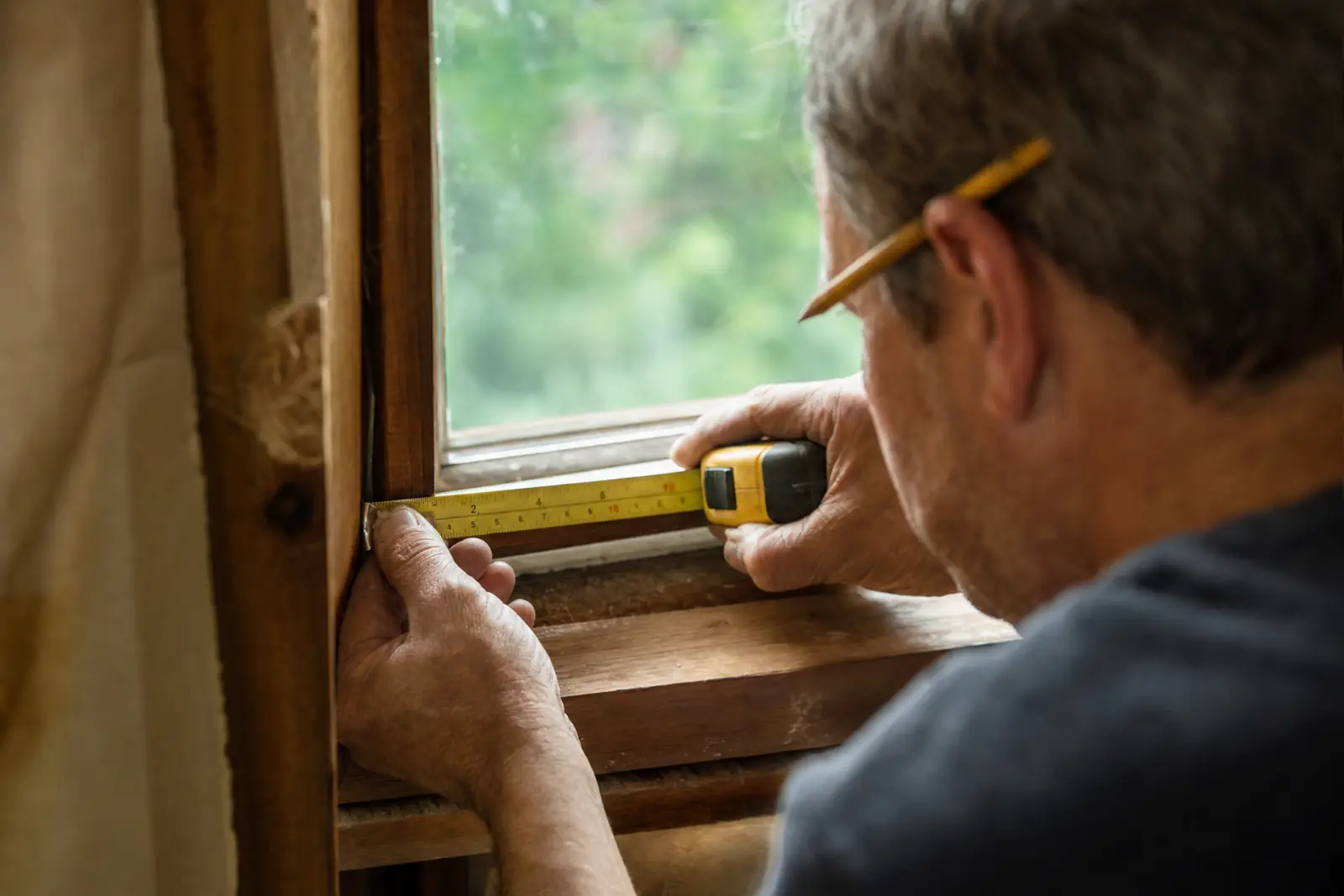
- Measure and quote: the company measures each opening, checks the frames for rot, and gives you a written quote with the window specs.
- Order: replacement windows are usually made to size. Ask for the expected lead time in your quote.
- Remove the old windows: for an insert, the sash is removed and the old frame stays. For full-frame, the window comes out down to the rough opening.
- Install and seal: the new window is set level, fastened, insulated, and sealed. Full-frame installs also get new flashing and trim.
- Clean up and walk-through: check that each window opens, closes, and locks, and keep the labels, paperwork, and warranty documents.
Full-frame or insert? This Old House explains that an insert (pocket) window fits inside the existing frame and keeps the original trim, so it is faster and less disruptive but slightly reduces the glass area. Full-frame replacement fits when the frame is damaged or out of square, or when you want to change the window size or style.
Homes built before 1978: old paint may contain lead. Under EPA's Renovation, Repair and Painting (RRP) Rule, window replacement in these homes is a covered activity no matter how small the job, according to EPA. Firms doing covered work must hold RRP firm certification and use lead work practices that contain dust. You can look up firms through EPA's lead page.
Full-frame work can disturb the siding or trim around each opening. If your siding is also worn, ask about planning both jobs together. See our siding guide for signs of worn siding.
Windows questions, answered
How long does window replacement take?
It depends on how many windows you are replacing and whether they are made to order. Most replacement windows are made to size, so there is usually a wait between the measurement and the install. Full-frame work takes longer than inserts because the old frame comes out and new trim goes on. Ask each company for the order lead time and the number of install days in writing.
What is the difference between full-frame and insert window replacement?
An insert, or pocket, window fits inside your existing frame and keeps the original trim, so it is faster and less disruptive, but the glass area gets slightly smaller, This Old House explains. Full-frame replacement removes the window down to the rough opening. It fits when the frame is damaged or when you want a new size or style.
Can a foggy window be repaired instead of replaced?
Often, yes. This Old House notes that fog between the panes usually means a failed seal. If the frame and sash are sound, a company can often replace just the sealed glass unit. If the frame is rotting or several windows have the same problem, full replacement may make more sense. Ask the company to explain both options.
Do I need a permit to replace windows?
It depends on your city or county. Rules often differ for a same-size swap and for work that changes the size of the opening. Ask each company whether your job needs a permit and who will pull it, or check with your local building department.
My home was built before 1978. What should I ask about lead paint?
Under EPA's Renovation, Repair and Painting (RRP) Rule, window replacement in homes built before 1978 is covered no matter how small the job. Firms doing covered work need RRP firm certification and must use lead work practices that contain dust. Ask each company for its RRP firm certification number and how it will contain dust and clean up.
How does Swupi help with windows?
When you call (or send a request), Swupi connects you with an independent local window company that serves your area. You agree on the scope of work and timing with that company directly, and you are never obligated to hire anyone.