Flooring in South Carolina
Reach independent flooring companies that serve South Carolina. Compare quotes and hire only if it fits.
Get quotes from local flooring pros in South Carolina.
Or call (833) 421-3714. Calls may be recorded.
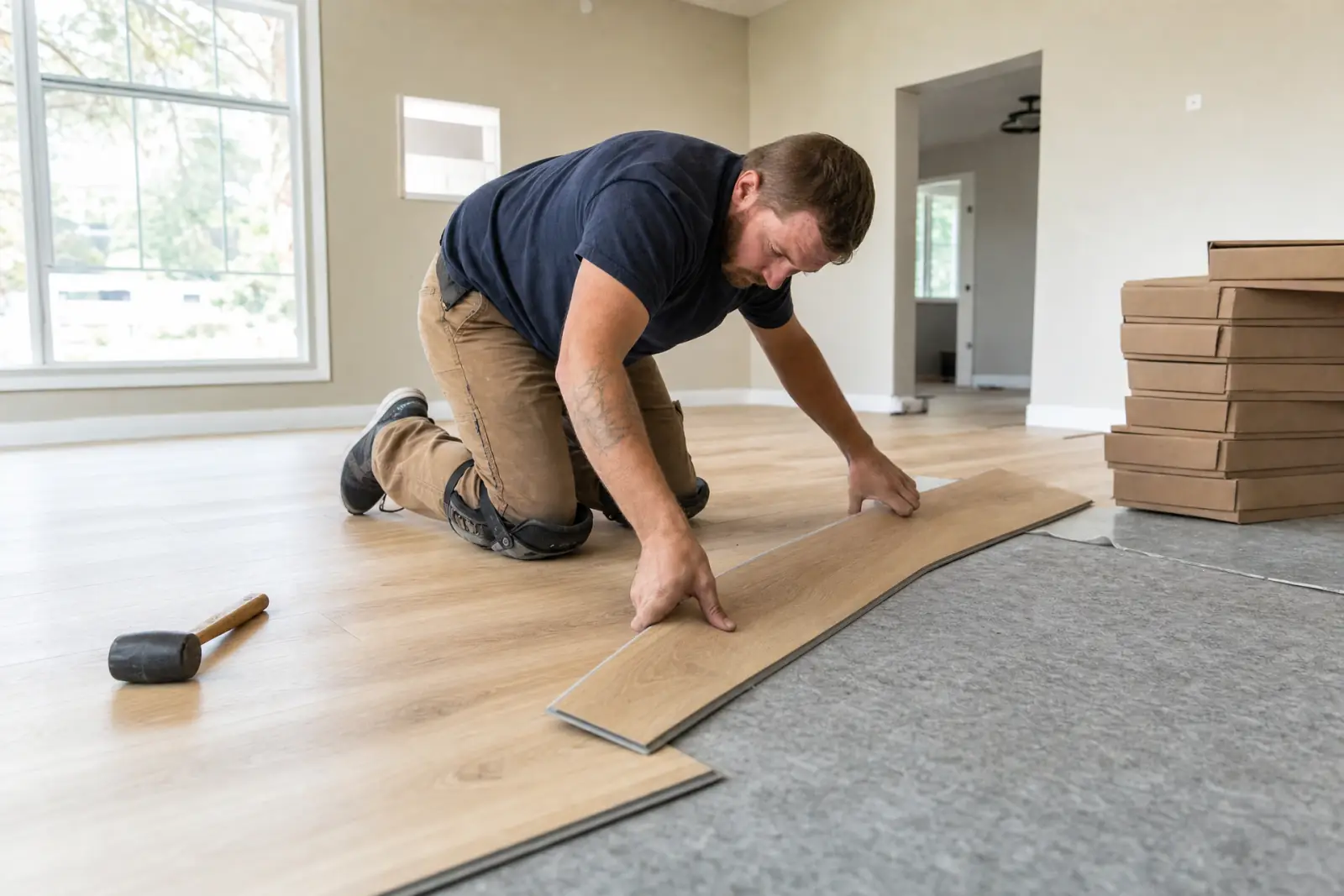
Across South Carolina's roughly 2.4 million homes, the median build year is 1992. Its counties span climate zones 2A and 3A; the most common is 2A (hot, humid). Pick your city below for local housing facts, or read on for what applies statewide to new flooring.
Flooring by city in South Carolina
- Anderson
- Arcadia
- Ballentine
- Blacksburg
- Boiling Springs
- Bowling Green
- Camden
- Campobello
- Catawba
- Centenary
- Clemson
- Cleveland
- Clifton
- Clover
- Columbia
- Conestee
- Cowpens
- Cross Anchor
- Davis Station
- Drayton
- Duncan
- Edgemoor
- Fairforest
- Fingerville
- Florence
- Fort Mill
- Gaffney
- Gramling
- Greenville
- Greenwood
- Greer
- Hartsville
- Hickory Grove
- Hodges
- Horatio
- Inman
- Jonesville
- La France
- Lancaster
- Lando
- Landrum
- Lexington
- Lydia
- Mauldin
- Mayo
- Mc Connells
- Moore
- Norris
- Orangeburg
- Pacolet
- Pauline
- Peak
- Rains
- Reidville
- Rion
- Rock Hill
- Roebuck
- Sandy Springs
- Sardinia
- Sharon
- Smyrna
- Spartanburg
- State Park
- Sumter
- Tigerville
- Travelers Rest
- Una
- Van Wyck
- Wellford
- West Columbia
- White Rock
- White Stone
- Woodruff
- York
What South Carolina homeowners should know about flooring
The median home in South Carolina was built in 1992, and about 33% were built before 1980. In homes of this age, the main prep questions are usually subfloor flatness and moisture in concrete slabs. Ask the installer how both are checked. Federal EPA rules require firms that disturb painted surfaces in homes built before 1978 to follow lead-safe work practices. Ask whether the company is EPA lead-safe certified.
About 4% of South Carolina's counties are in climate zone 2A (hot, humid), based on the U.S. Department of Energy's county map. Humidity makes wood floors swell and shrink. Ask how long the flooring will acclimate and whether concrete slabs get a moisture test. Check your own county's zone, since conditions differ across the state.
About 65% of homes in South Carolina are single-family houses, and about 72% of occupied homes are lived in by their owners.
Permits and contractor licensing in South Carolina
Replacing floor coverings usually does not need a permit, but repairing or replacing the subfloor or joists can. In South Carolina, building permits are issued by cities and counties, so the rules depend on where the home is. Ask the company who pulls the permit, and keep a copy of it.
The Residential Builders Commission licenses or registers residential builders and specialty contractors. Look the company up with the Department of Labor, Licensing and Regulation, Residential Builders Commission before you sign.
Look up a license: Department of Labor, Licensing and Regulation, Residential Builders Commission
Questions to ask a flooring company in South Carolina
- Will you check the subfloor for moisture and flatness first?
- How long does the material need to acclimate?
- Are removing the old floor and moving furniture included?
Flooring companies serving South Carolina
Company profiles for South Carolina are on the way. Call or send a request above and we will connect you with a company that serves your ZIP code.
Flooring in South Carolina: questions
Who licenses flooring contractors in South Carolina?
The Residential Builders Commission licenses or registers residential builders and specialty contractors. Ask for the company's license or registration number and look it up with the Department of Labor, Licensing and Regulation, Residential Builders Commission.
How old are homes in South Carolina?
Census estimates (ACS 2020-2024) put the median build year across South Carolina at 1992, with about 33% of homes built before 1980.
Do I need a permit for new flooring in South Carolina?
Replacing floor coverings usually does not need a permit, but repairing or replacing the subfloor or joists can. In South Carolina, permits are issued by cities and counties, so check with the building department where the home is.
What climate zones are in South Carolina?
South Carolina's counties fall in IECC climate zones 2A and 3A; zone 2A (hot, humid) is the most common, per the U.S. Department of Energy's county map.
How does Swupi work in South Carolina?
Call or send a request with your ZIP code, and Swupi connects you with an independent flooring company that serves your area. You agree on price and timing directly with that company.
Ready for flooring quotes in South Carolina?
Or call (833) 421-3714. Calls may be recorded.
- No fee to SwupiHomeowners never pay Swupi.
- No obligationCompare quotes, hire only if it fits.
- Local companiesIndependent pros who serve your area.
- Call or requestTalk now, or send a short request.

