HVAC in Utah
Reach independent HVAC companies that serve Utah. Compare quotes and hire only if it fits.
Talk to a local HVAC company in Utah now.
Homeowners pay nothing to use Swupi. We connect you with independent local pros; we are not a contractor. Calls may be recorded and connected to a service provider.
Rather not call? Send a request
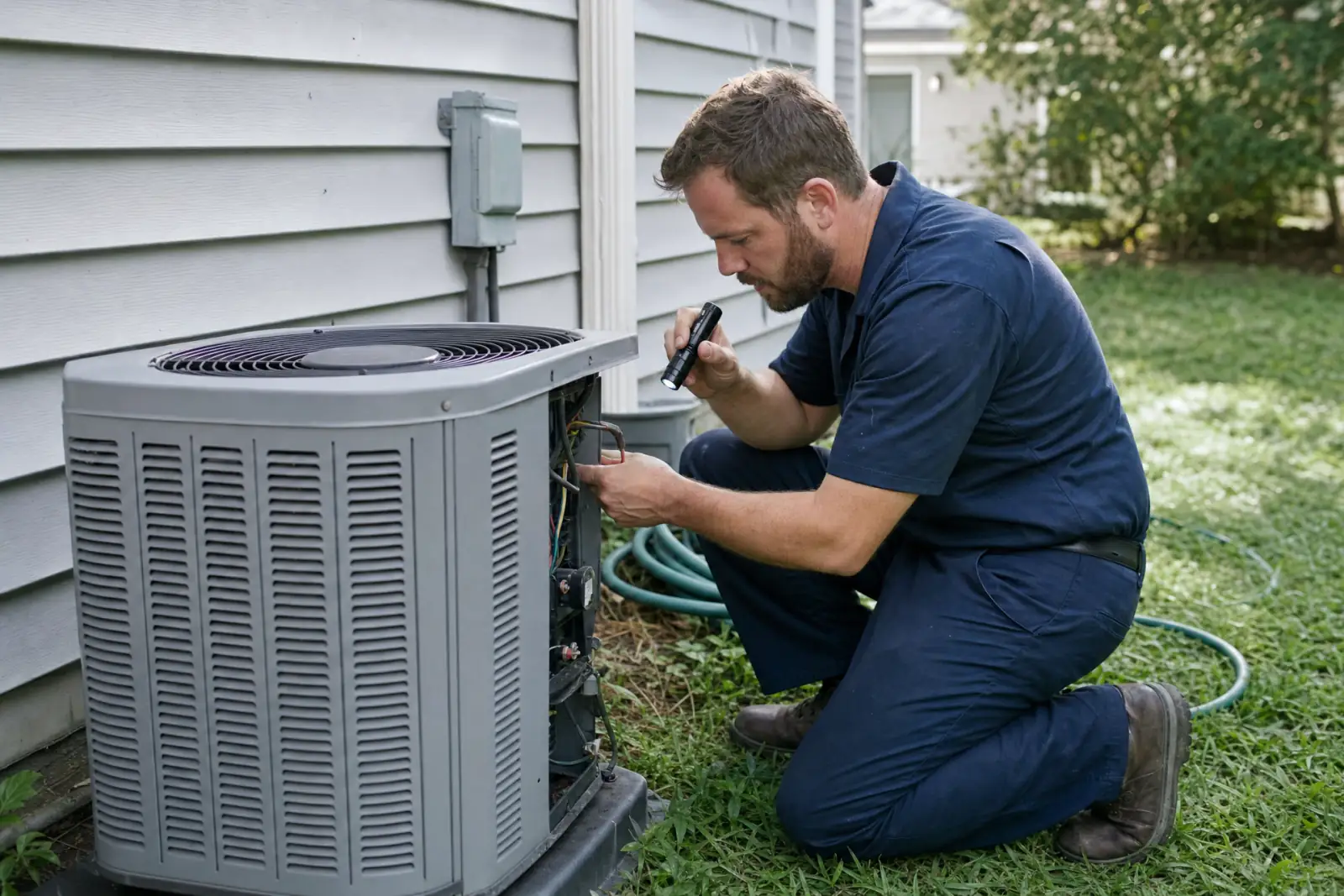
Across Utah's roughly 1.2 million homes, the median build year is 1992. Its counties span climate zones 3B, 5B and 6B; the most common is 3B (warm, dry). Pick your city below for local housing facts, or read on for what applies statewide to heating and cooling work.
HVAC by city in Utah
HVAC across Utah: homes and climate
The median home in Utah was built in 1992, and about 36% were built before 1980. Equipment installed when many of these homes were built is at an age where repair-or-replace decisions come up. Ask for both options in writing.
About 3% of Utah's counties are in climate zone 3B (warm, dry), based on the U.S. Department of Energy's county map. Heating carries most of the load here. If you are considering a heat pump, ask whether the model is rated for cold climates and how backup heat works. In a dry climate some homes use evaporative (swamp) coolers; ask whether that or a refrigerated system fits your home. Whatever the climate, ask for a room-by-room load calculation (ACCA Manual J) instead of matching the size of the old unit. Check your own county's zone, since conditions differ across the state.
About 79% of occupied homes in Utah heat with utility gas and 17% with electricity. Many replacement quotes will involve a gas furnace or boiler; if you are thinking about switching to an electric heat pump, ask whether your electrical panel needs an upgrade.
About 67% of homes in Utah are single-family houses, and about 70% of occupied homes are lived in by their owners.
Permits and contractor licensing in Utah
Replacing a furnace, air conditioner or heat pump usually needs a mechanical permit and a final inspection. In Utah, building permits are issued by cities and counties, so the rules depend on where the home is. Ask the company who pulls the permit, and keep a copy of it.
The Utah Division of Professional Licensing licenses contractors. Look up the company's license or registration before you sign.
Questions to ask an HVAC company in Utah
- Will you do a load calculation (ACCA Manual J) before recommending a size?
- What efficiency ratings (SEER2, HSPF2 or AFUE) does each option have?
- Who pulls the permit, and is the final inspection included?
- What warranty covers the equipment, and what covers your labor?
HVAC in Utah: questions
How old are homes in Utah?
Census estimates (ACS 2020-2024) put the median build year across Utah at 1992, with about 36% of homes built before 1980.
What climate zones are in Utah?
Utah's counties fall in IECC climate zones 3B, 5B and 6B; zone 3B (warm, dry) is the most common, per the U.S. Department of Energy's county map.
Do I need a permit for heating and cooling work in Utah?
Replacing a furnace, air conditioner or heat pump usually needs a mechanical permit and a final inspection. In Utah, permits are issued by cities and counties, so check with the building department where the home is.
Who licenses HVAC contractors in Utah?
The Utah Division of Professional Licensing licenses contractors. Ask for the company's license or registration number and look it up on the agency's website.
How does Swupi work in Utah?
Call or send a request with your ZIP code, and Swupi connects you with an independent HVAC company that serves your area. You agree on price and timing directly with that company.
Ready to talk to a local HVAC company in Utah?
Homeowners pay nothing to use Swupi. We connect you with independent local pros; we are not a contractor. Calls may be recorded and connected to a service provider.
Rather not call? Send a request
- No fee to SwupiHomeowners never pay Swupi.
- No obligationCompare quotes, hire only if it fits.
- Local companiesIndependent pros who serve your area.
- Call or requestTalk now, or send a short request.

