HVAC in Virginia
Reach independent HVAC companies that serve Virginia. Compare quotes and hire only if it fits.
Talk to a local HVAC company in Virginia now.
Homeowners pay nothing to use Swupi. We connect you with independent local pros; we are not a contractor. Calls may be recorded and connected to a service provider.
Rather not call? Send a request
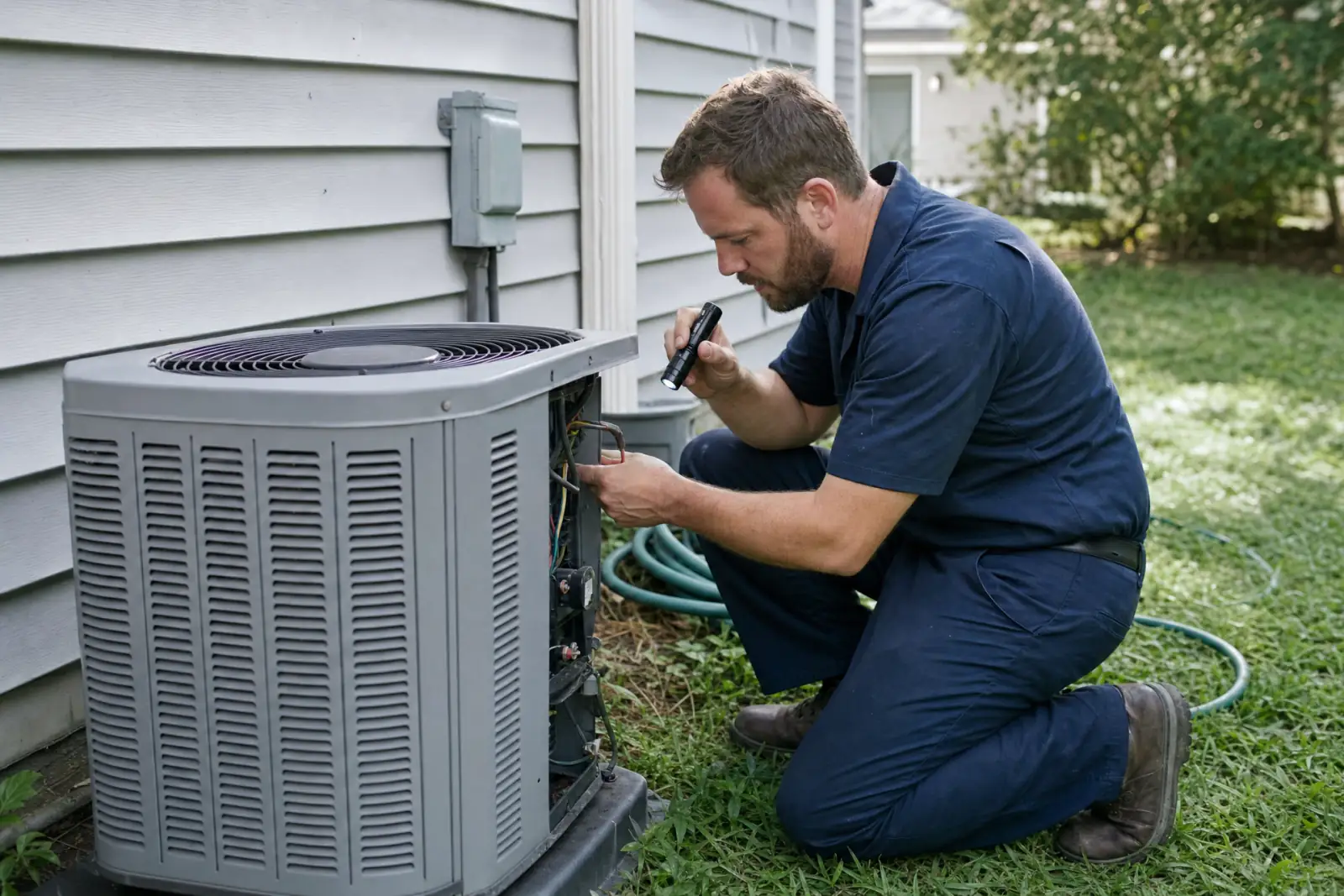
Virginia has about 3.7 million homes, and half of them were built before 1984. Its counties span climate zones 3A, 4A and 5A; the most common is 3A (warm, humid). Pick your city below for local housing facts, or read on for what applies statewide to heating and cooling work.
HVAC by city in Virginia
What Virginia homeowners should know about HVAC
Census estimates put the median build year in Virginia at 1984; about 11% of homes were built before 1950. Equipment installed when many of these homes were built is at an age where repair-or-replace decisions come up. Ask for both options in writing.
About 14% of Virginia's counties are in climate zone 3A (warm, humid), based on the U.S. Department of Energy's county map. Summers need cooling and winter nights get cold, so ask how a heat pump would handle the coldest days and what backup heat it would use. In a humid climate, ask how the system will control indoor humidity, not just temperature. Whatever the climate, ask for a room-by-room load calculation (ACCA Manual J) instead of matching the size of the old unit. Check your own county's zone, since conditions differ across the state.
About 32% of occupied homes in Virginia heat with utility gas and 58% with electricity. Electric heat is the norm, so ask whether your home has a heat pump or electric resistance heat. Replacing resistance heat with a heat pump usually uses much less electricity.
About 61% of homes in Virginia are single-family houses, and about 67% of occupied homes are lived in by their owners.
Permits and contractor licensing in Virginia
Replacing a furnace, air conditioner or heat pump usually needs a mechanical permit and a final inspection. In Virginia, building permits are issued by cities and counties, so the rules depend on where the home is. Ask the company who pulls the permit, and keep a copy of it.
The Virginia Board for Contractors within DPOR licenses contractors. Look the company up with the Department of Professional and Occupational Regulation, Board for Contractors before you sign.
Look up a license: Department of Professional and Occupational Regulation, Board for Contractors
Questions to ask an HVAC company in Virginia
- Will you do a load calculation (ACCA Manual J) before recommending a size?
- What efficiency ratings (SEER2, HSPF2 or AFUE) does each option have?
- Who pulls the permit, and is the final inspection included?
- What warranty covers the equipment, and what covers your labor?
HVAC in Virginia: questions
How old are homes in Virginia?
Census estimates (ACS 2020-2024) put the median build year across Virginia at 1984, with about 44% of homes built before 1980.
Do I need a permit for heating and cooling work in Virginia?
Replacing a furnace, air conditioner or heat pump usually needs a mechanical permit and a final inspection. In Virginia, permits are issued by cities and counties, so check with the building department where the home is.
What climate zones are in Virginia?
Virginia's counties fall in IECC climate zones 3A, 4A and 5A; zone 3A (warm, humid) is the most common, per the U.S. Department of Energy's county map.
Who licenses HVAC contractors in Virginia?
The Virginia Board for Contractors within DPOR licenses contractors. Ask for the company's license or registration number and look it up with the Department of Professional and Occupational Regulation, Board for Contractors.
How does Swupi work in Virginia?
Call or send a request with your ZIP code, and Swupi connects you with an independent HVAC company that serves your area. You agree on price and timing directly with that company.
Ready to talk to a local HVAC company in Virginia?
Homeowners pay nothing to use Swupi. We connect you with independent local pros; we are not a contractor. Calls may be recorded and connected to a service provider.
Rather not call? Send a request
- No fee to SwupiHomeowners never pay Swupi.
- No obligationCompare quotes, hire only if it fits.
- Local companiesIndependent pros who serve your area.
- Call or requestTalk now, or send a short request.

