Plumbing in West Virginia
Reach independent plumbing companies that serve West Virginia. Compare quotes and hire only if it fits.
Talk to a local plumbing company in West Virginia now.
Homeowners pay nothing to use Swupi. We connect you with independent local pros; we are not a contractor. Calls may be recorded and connected to a service provider.
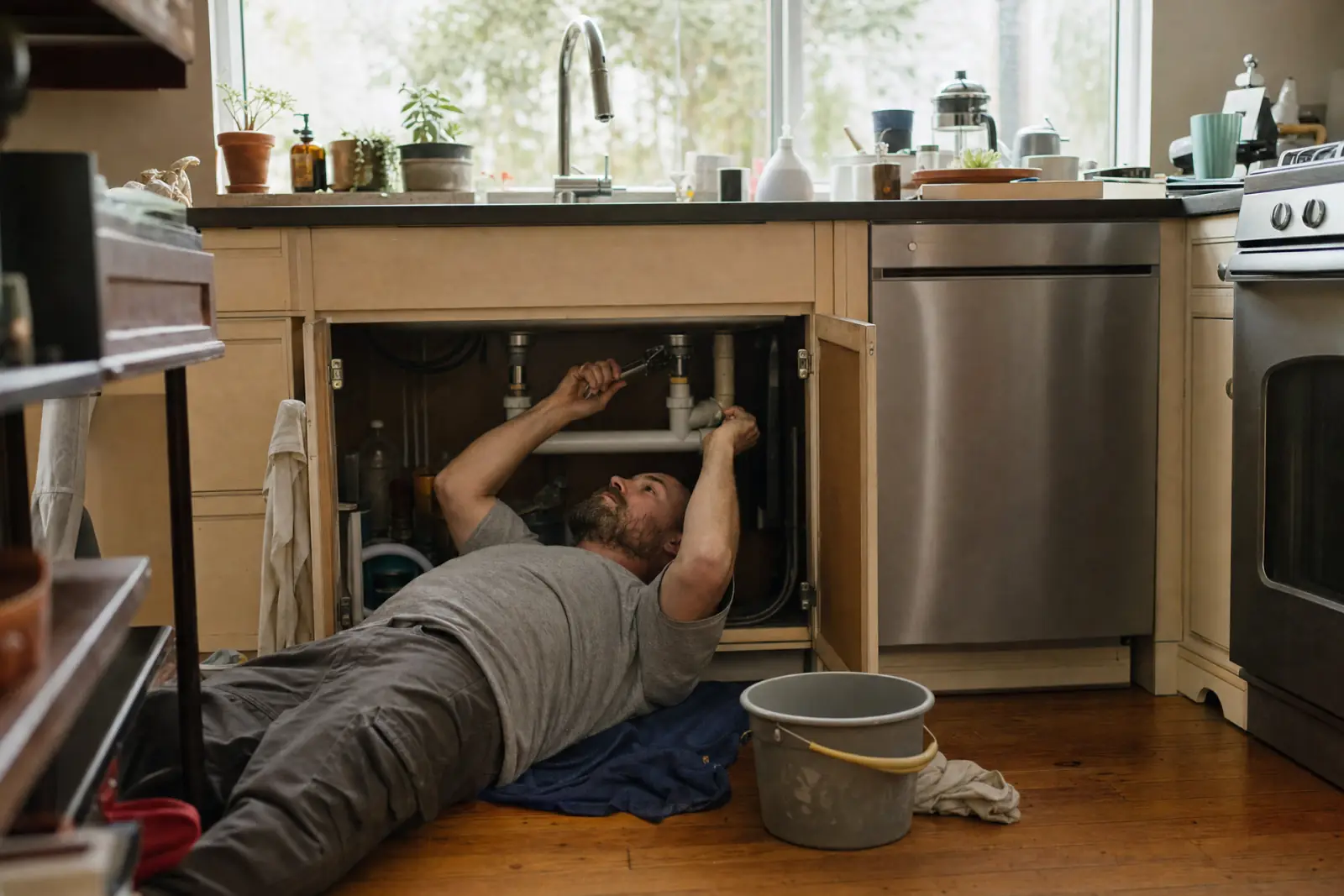
West Virginia has about 861,000 homes, and half of them were built before 1976. Its counties span climate zones 4A and 5A; the most common is 4A (mixed, humid). Read on for what applies statewide to plumbing work, then reach an independent company that serves your ZIP code.
What West Virginia homeowners should know about plumbing
Census estimates put the median build year in West Virginia at 1976; about 22% of homes were built before 1950. Homes from the 1960s and 1970s often still have original shutoff valves and drain lines. Ask whether anything is worth replacing while the plumber is already there. Federal EPA rules require firms that disturb painted surfaces in homes built before 1978 to follow lead-safe work practices. Ask whether the company is EPA lead-safe certified.
About 65% of West Virginia's counties are in climate zone 4A (mixed, humid), based on the U.S. Department of Energy's county map. Winter freezes happen here, so insulate exposed pipes and shut off outdoor faucets before cold snaps. Check your own county's zone, since conditions differ across the state.
About 71% of homes in West Virginia are single-family houses, and about 75% of occupied homes are lived in by their owners.
Permits and contractor licensing in West Virginia
Water heater replacements, repiping and moving fixtures usually need a plumbing permit; clearing a clog or fixing a faucet usually does not. In West Virginia, building permits are issued by cities and counties, so the rules depend on where the home is. Ask the company who pulls the permit, and keep a copy of it.
The West Virginia Contractor Licensing Board licenses contractors. Look the company up with the Contractor Licensing Board (Division of Labor) before you sign.
Look up a license: Contractor Licensing Board (Division of Labor)
Questions to ask a plumbing company in West Virginia
- What are my supply and drain pipes made of, and is anything close to failing?
- Do you pull the permit for this job?
- Will I get the scope and the total in writing before work starts?
- What warranty covers parts and labor?
Plumbing in West Virginia: questions
What climate zones are in West Virginia?
West Virginia's counties fall in IECC climate zones 4A and 5A; zone 4A (mixed, humid) is the most common, per the U.S. Department of Energy's county map.
Who licenses plumbing contractors in West Virginia?
The West Virginia Contractor Licensing Board licenses contractors. Ask for the company's license or registration number and look it up with the Contractor Licensing Board (Division of Labor).
Do I need a permit for plumbing work in West Virginia?
Water heater replacements, repiping and moving fixtures usually need a plumbing permit; clearing a clog or fixing a faucet usually does not. In West Virginia, permits are issued by cities and counties, so check with the building department where the home is.
How old are homes in West Virginia?
Census estimates (ACS 2020-2024) put the median build year across West Virginia at 1976, with about 56% of homes built before 1980.
How does Swupi work in West Virginia?
Call or send a request with your ZIP code, and Swupi connects you with an independent plumbing company that serves your area. You agree on price and timing directly with that company.
Ready to talk to a local plumbing company in West Virginia?
Homeowners pay nothing to use Swupi. We connect you with independent local pros; we are not a contractor. Calls may be recorded and connected to a service provider.
- No fee to SwupiHomeowners never pay Swupi.
- No obligationCompare quotes, hire only if it fits.
- Local companiesIndependent pros who serve your area.
- Call or requestTalk now, or send a short request.

