Roofing in Miami, FL
Reach independent roofing companies that serve Miami. No obligation to hire.
Get quotes from local roofing pros in Miami.
Or call (773) 337-2194. Calls may be recorded.
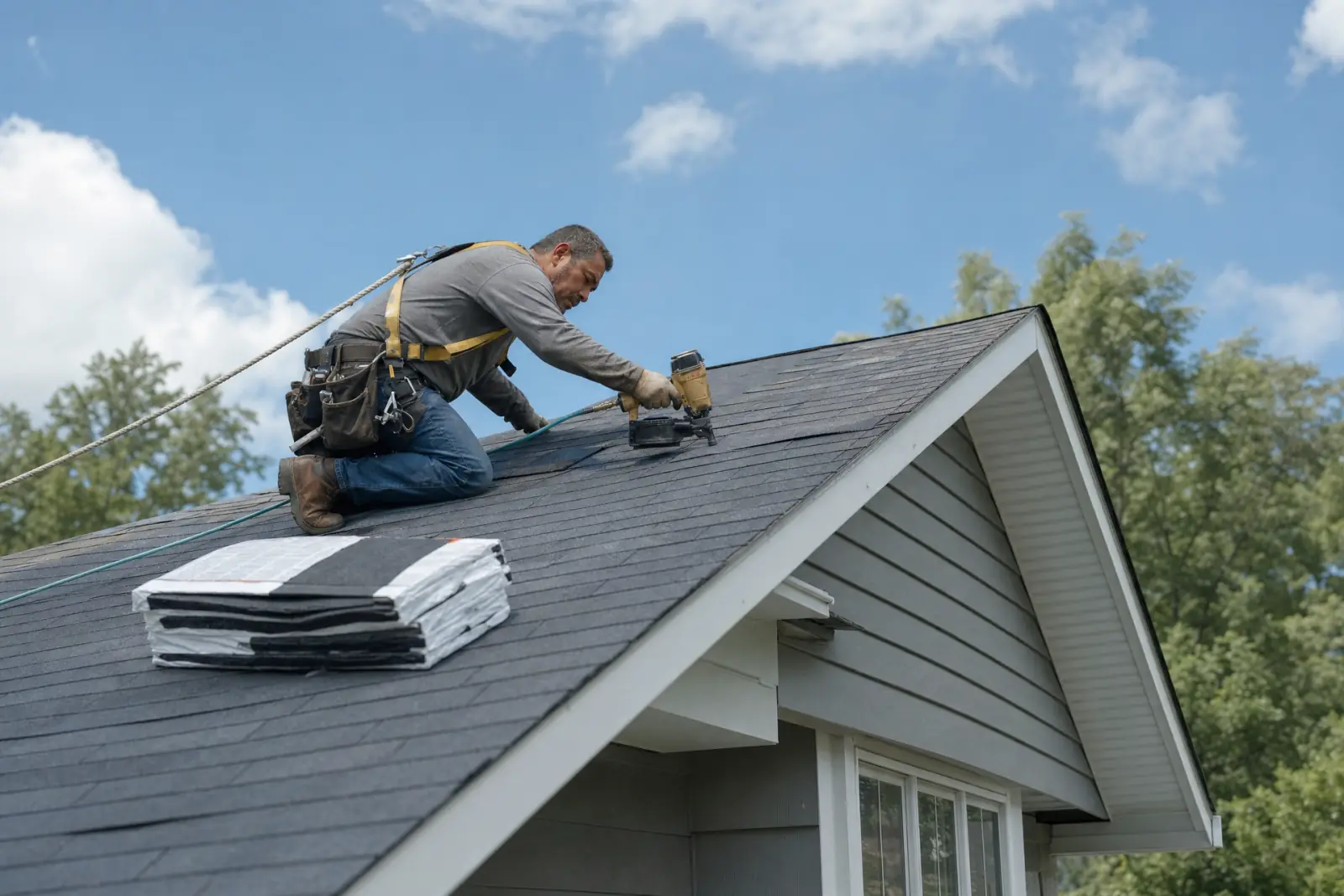
Half of the roughly 224,000 homes in Miami, FL were built before 1979, according to Census estimates for this city of about 460,000 people. The city sits in climate zone 1A, a very hot, humid climate. Here is what that means for your project, plus permit and license tips and questions to ask before you hire.
This page covers Miami and its 95 ZIP codes. When you call or send a request, your ZIP code decides which company can take it.
Roofing in Miami: what the local homes and climate mean
Census estimates put the median build year in Miami at 1979; about 17% of homes were built before 1950. Roofs on homes of this age may already have been replaced once or twice. Ask for the age and material of the current roof before comparing quotes.
The U.S. Department of Energy places Miami-Dade County in climate zone 1A (very hot, humid). Heat, humidity and heavy storms are the main stresses on roofs here. Ask about the shingle wind rating and how the edges are sealed.
About 61% of homes in Miami are in buildings with five or more units. In condos and apartments, the roof and exterior are often the association's responsibility, so check your HOA rules before hiring. Only about 31% of occupied homes in Miami are lived in by their owners, so many residents rent. Renters should check with the property owner or manager before hiring anyone for roof work.
Permits and licenses in Miami
A full roof replacement often needs a building permit, while small repairs often do not. How many shingle layers a roof may have is also set by the local building code. In Miami, permits come from the city's building department. Ask the company who pulls the permit, and keep a copy of it.
The Construction Industry Licensing Board within Florida DBPR licenses contractors. Look the company up with the Department of Business and Professional Regulation, Construction Industry Licensing Board before you sign.
Questions to ask a roofing company in Miami
- Will the old roof come off down to the deck, and how are damaged boards handled?
- Which underlayment and ventilation do you plan to use?
- Who pulls the permit and schedules the inspection?
- What does the manufacturer warranty cover, and what does your workmanship warranty cover?
Roofing companies serving Miami

Roofing in Miami: questions
What climate zone is Miami in?
Miami-Dade County is in IECC climate zone 1A (very hot, humid), per the U.S. Department of Energy's county map. Heat, humidity and heavy storms are the main stresses on roofs here.
How do I check a roofing company in Miami?
The Construction Industry Licensing Board within Florida DBPR licenses contractors. Ask for the company's license or registration number and look it up with the Department of Business and Professional Regulation, Construction Industry Licensing Board. Also ask for proof of insurance and get the scope in writing.
How old are homes in Miami?
Census estimates (ACS 2020-2024) put the median build year at 1979, and about 51% of homes were built before 1980. Roofs on homes of this age may already have been replaced once or twice.
Do I need a permit for roof work in Miami?
A full roof replacement often needs a building permit, while small repairs often do not. How many shingle layers a roof may have is also set by the local building code. In Miami, permits come from the city's building department. The company you hire usually pulls it.
I rent in Miami. Can I hire a roofing company myself?
About 31% of occupied homes in Miami are owner-occupied, so many residents rent. Check your lease first: the property owner or manager usually decides on roof work and who does it.
Ready for roofing quotes in Miami?
Or call (773) 337-2194. Calls may be recorded.
Nearby cities
- No fee to SwupiHomeowners never pay Swupi.
- No obligationCompare quotes, hire only if it fits.
- Local companiesIndependent pros who serve your area.
- Call or requestTalk now, or send a short request.

